Environmental racism is a longstanding problem in St. Louis
In his seminal book “Dumping in Dixie,” Dr. Robert Bullard defines environmental racism:
“…any policy, practice or directive that differentially affects or disadvantages (where intended or unintended) individuals, groups, or communities based on race.”
St. Louis has a long history of disproportionately exposing marginalized communities to environmental hazards. In this report, we explore this reality across several interconnected issues that highlight how environmental racism impacts St. Louisans’ health and well-being.
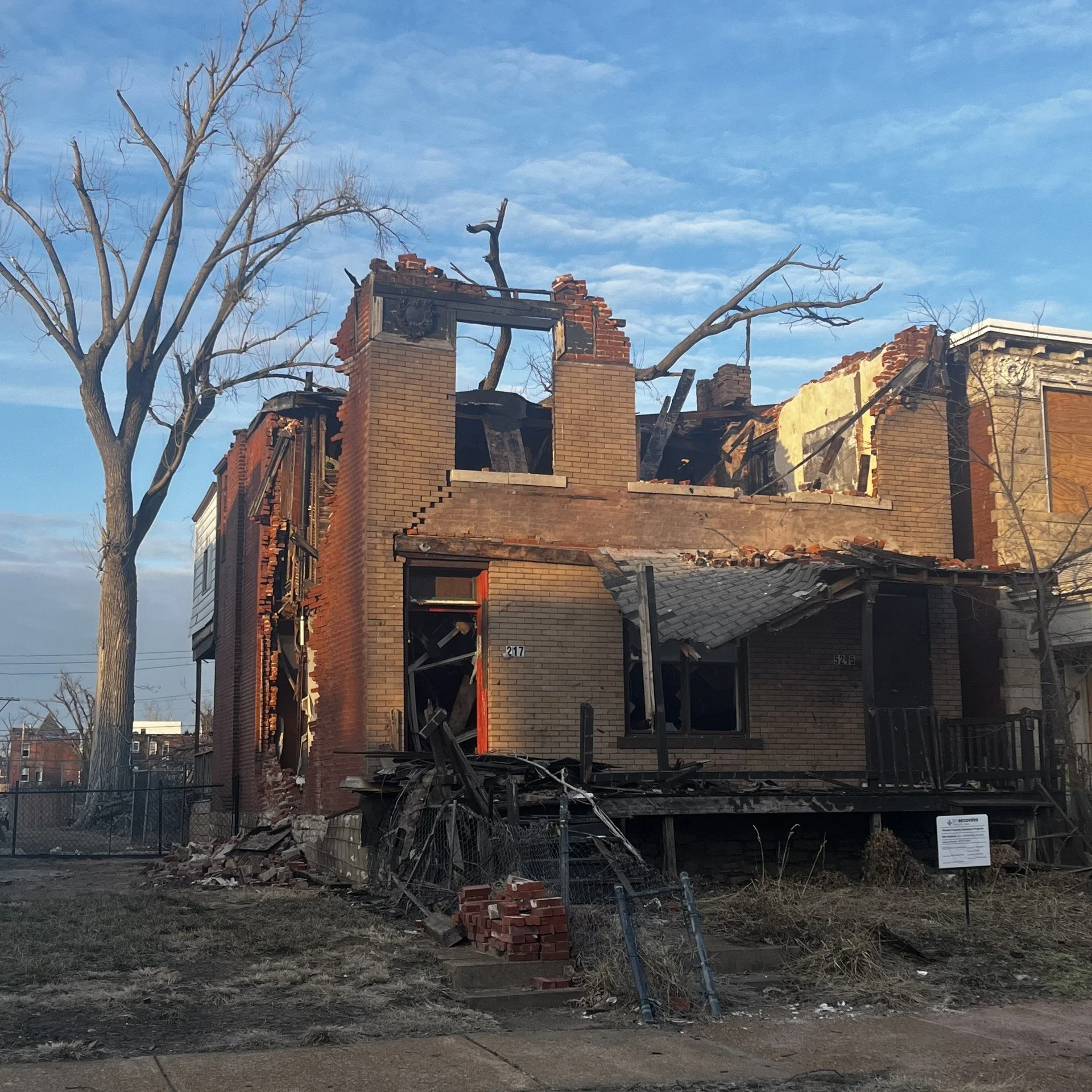

St. Louis as a whole has consistently registered failing grades for Ozone. If you live in a majority Black neighborhood you are much more likely to live near industrial polluters, highways, and building demolitions that release harmful particulate matter into the air. This helps to explain why members of the Black community are more likely to suffer from conditions exacerbated by air pollution such as lung disease, hypertension, and stroke.
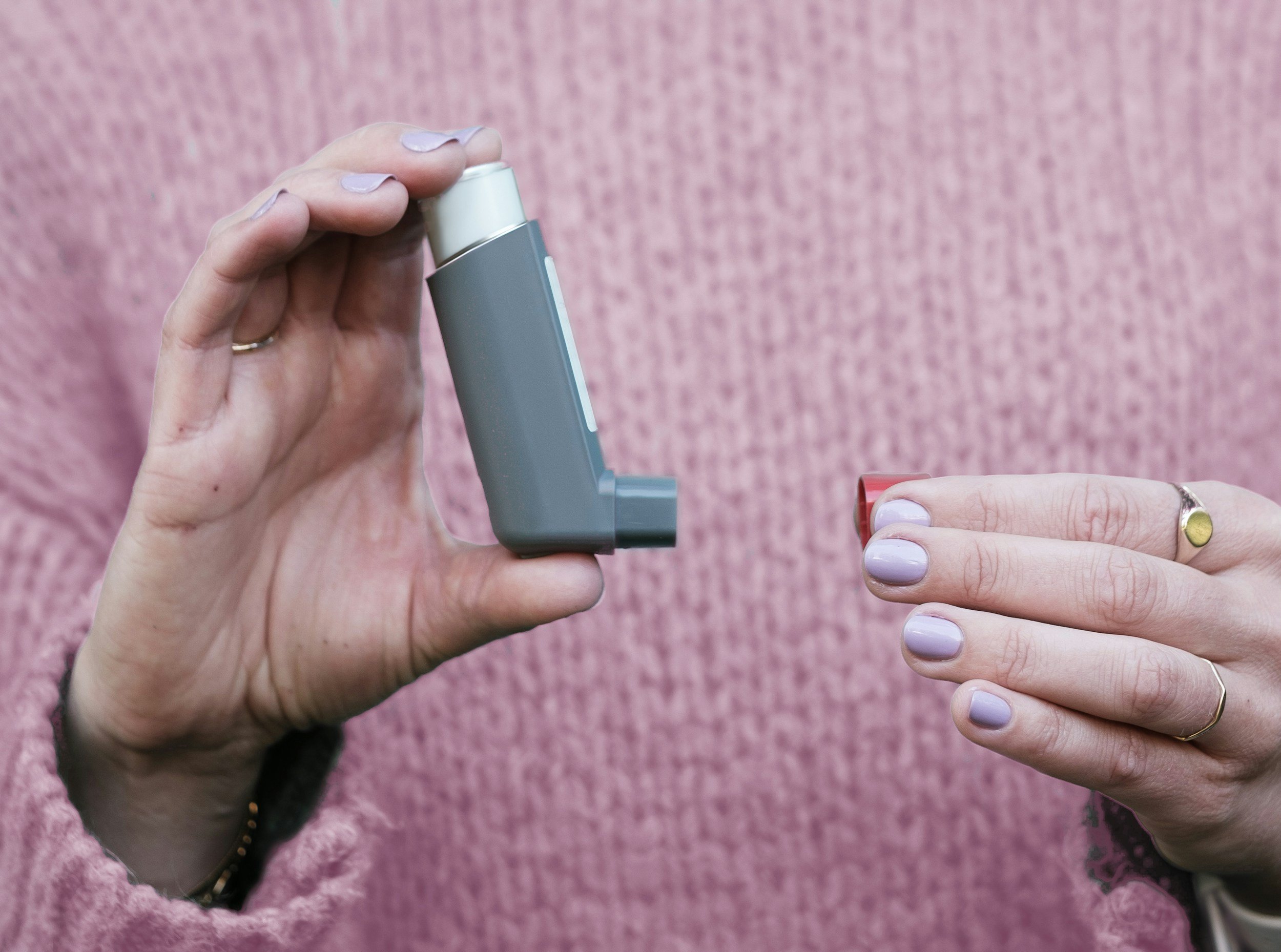
A 2024 report from the Asthma and Allergy Foundation of America listed St. Louis as one of the country’s top 20 Asthma Capitals and ranked the City #1 in asthma-related deaths. This burden falls most heavily on Black residents, with data from the past decade showing the Black children and adults suffer disproportionately worse asthma outcomes than the rest of the City.
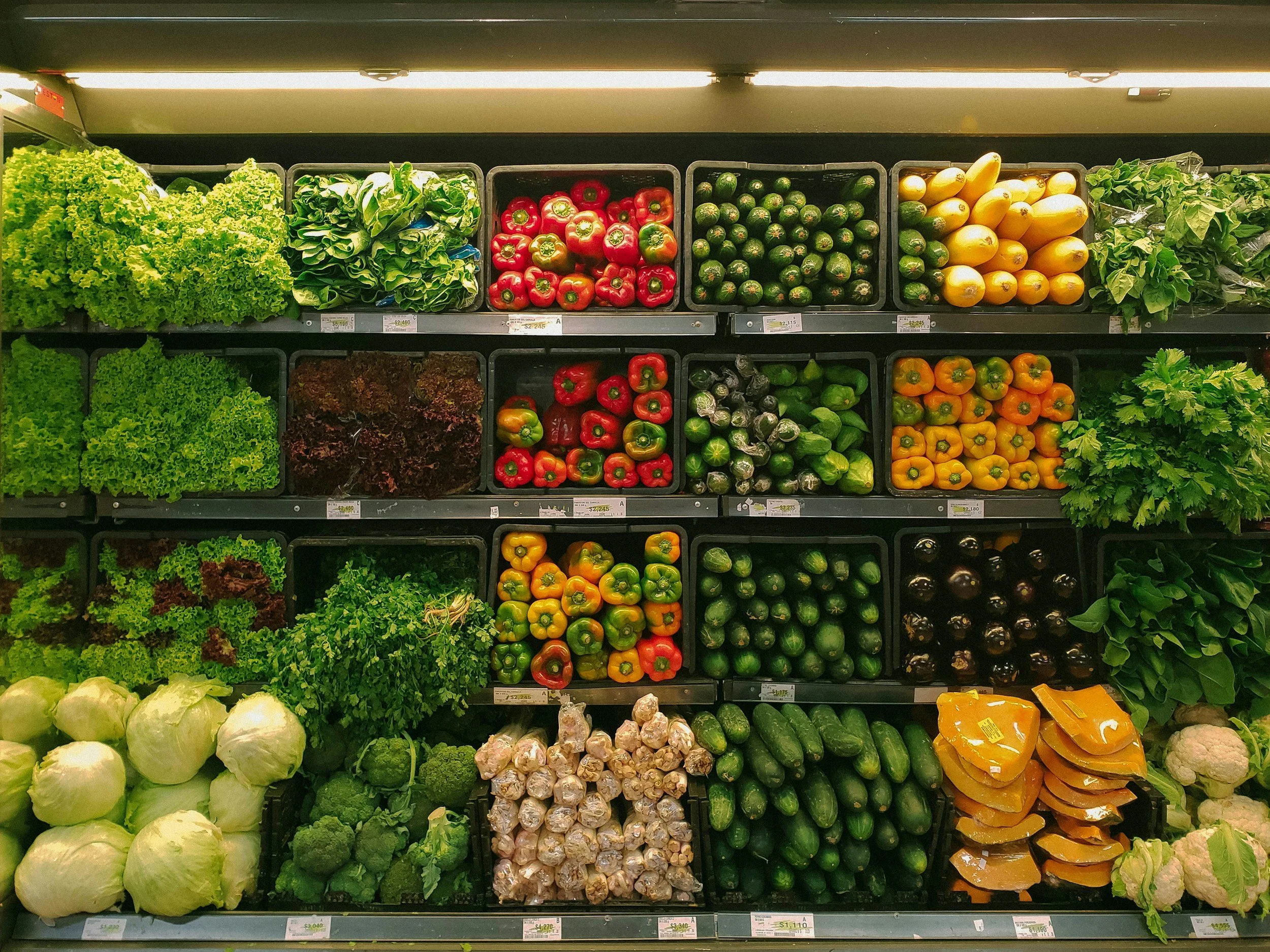
Black residents of St. Louis are far more likely to have limited access to healthy foods based on their income, proximity to grocery stores, and access to transportation. Food justice advocates have termed this phenomenon “food apartheid” to reflect the role of systemic racism in engineering this disparity.

Black and low-income St. Louisans spend more of their household income on utilities than others in the City. In fact, nearly 52% of low-income households and 48% of Black households in St. Louis face home energy burdens that are more than double the citywide median. A recent report from the Sierra Club details how energy costs impact St. Louisans.

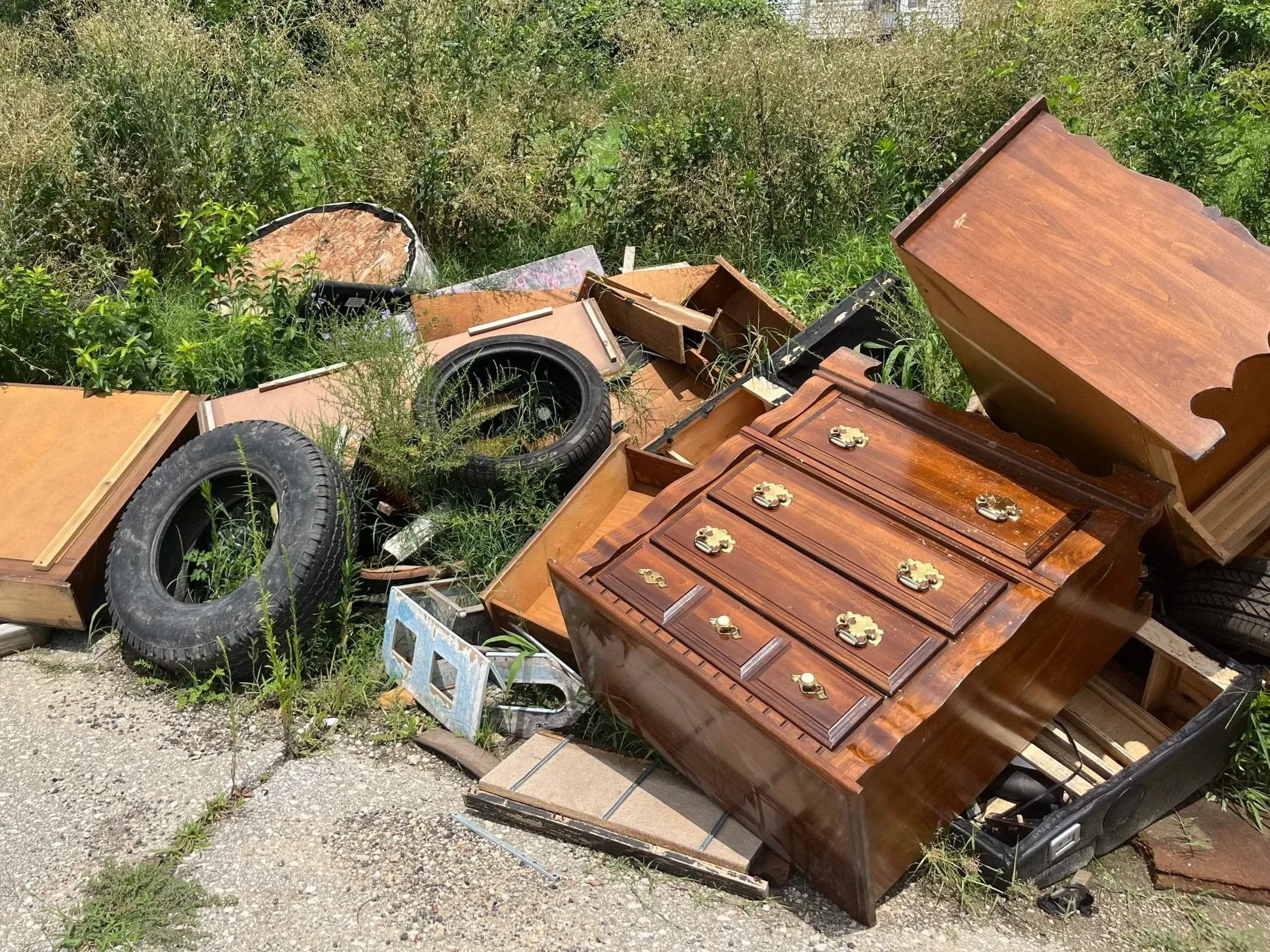
Illegal trash dumping is a crime of convenience that demorilizes communities. Moreover, it poses health risks thanks to the presence of harmful chemicals, sharp and potentially infectious materials such as glass and syringes, and disease-carrying animals and insects. In 2023, the Citizen’s Service Bureau received over 10,000 illegal dumping complaints - the vast majority of these were from majority-Black neighborhoods.

Childhood lead poisoning can cause permanent damage to the brain and nervous system, slowed growth and development, learning disabilities, behavioral and emotional problems, and aggression. Children in the City of St. Louis are twice as likely to have lead poisoning as children statewide in Missouri, and Black children are 2.4 times more likely than white children to test positive for lead in their blood. These disproportionate lead poisoning rates, chiefly resulting from exposure to lead paint and lead water pipes, are caused by building age, inadequate building maintenance, and other unsafe housing conditions.
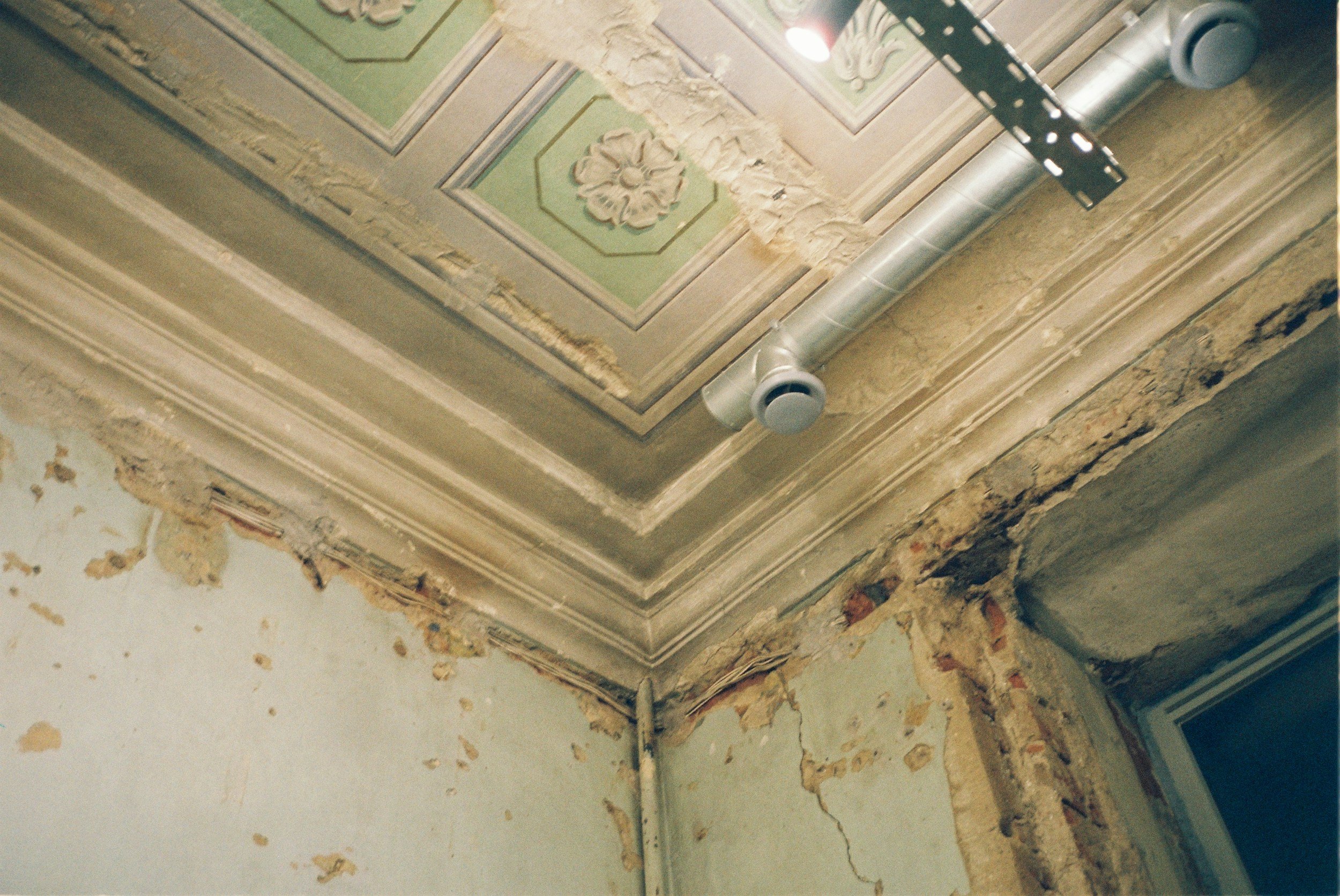
In 2011 Saint Louis was the 6th worst city in the United States for those sensitive to mold, a statistic which can be largely attributed to conditions in majority Black neighborhoods. Nearly three quarters of wards with six or more interior mold complaints were majority Black. Mold is difficult to deal with because of the high costs of testing and remediation, especially because these costs often fall on the tenant due to lax landlord-tenant laws which allow landlords to skirt responsibility. In many cases, attempting to hold a landlord responsible will result in a lengthy legal battle with an uncertain outcome which is a prohibitively costly gamble for many Saint Louis residents.

High neighborhood vacancy rates expose communities to unsafe structures, illegal dumping, and an increased amount of pollutants. Vacancy also reduces property values, drains taxpayer dollars, and is demoralizing to neighborhood residents. The burdens of vacancy are felt most by Black communities in St. Louis: 87% of the City’s 25,000+ vacant parcles are in majority-Black neighborhoods.